The Rise of Voice Interaction
AI's Role in Shaping the Future of Computer Interfaces
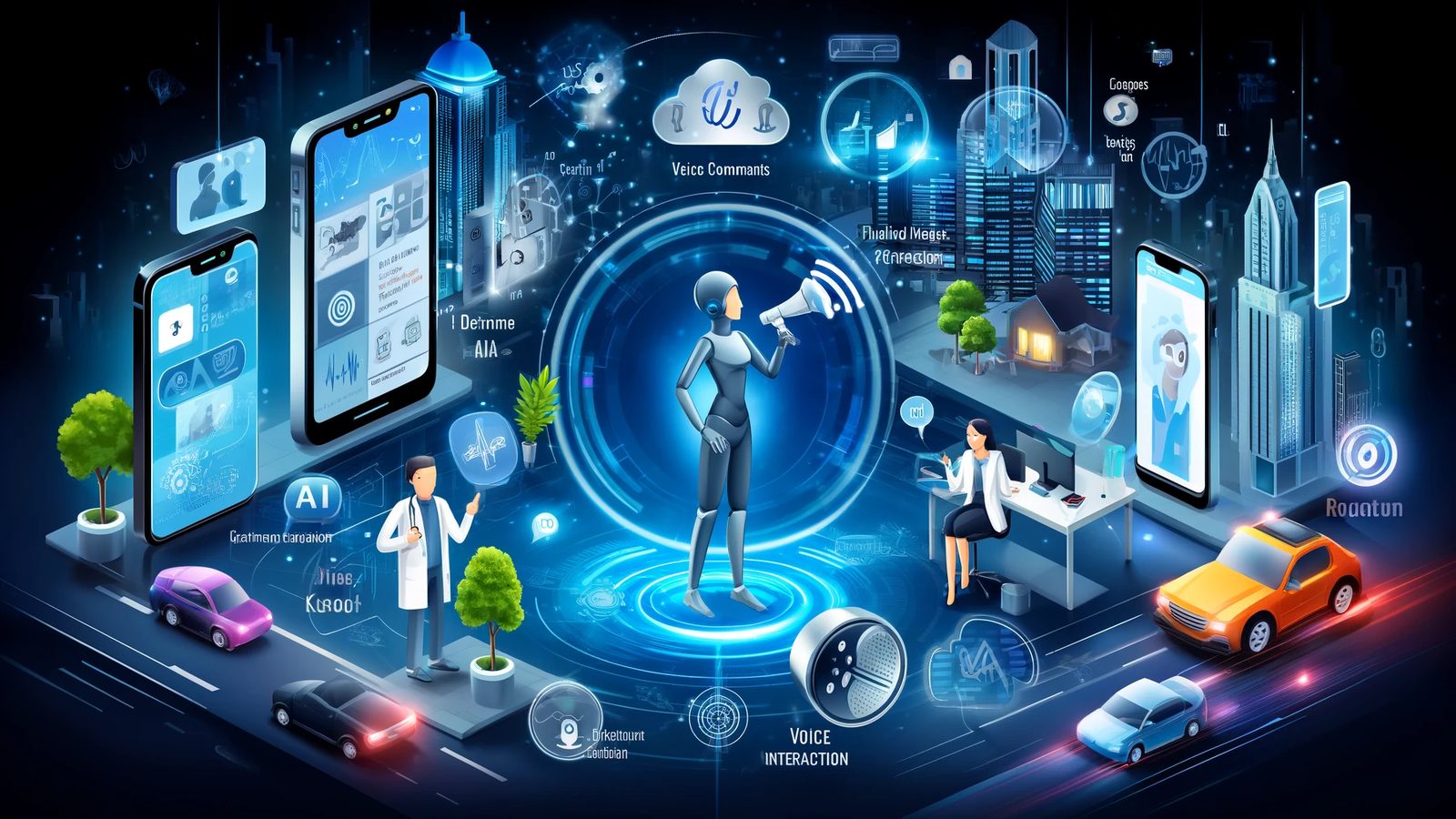
In the ever-evolving landscape of technology, one trend stands out as a game-changer: the rise of voice interaction. As artificial intelligence (AI) continues to advance, voice interaction is poised to become the dominant interface for computer applications, transforming how we interact with our devices and the world around us.
The Evolution of Interfaces
The journey of human-computer interaction has come a long way, from punch cards and command-line interfaces to graphical user interfaces (GUIs) and touchscreens. Each evolution aimed to make technology more accessible and user-friendly. Voice interaction, powered by AI, is the next logical step in this progression, promising a more intuitive and seamless experience.
The Power of Voice
Voice interaction leverages natural language processing (NLP) and machine learning to understand and respond to human speech. This allows users to interact with applications in a more natural and conversational manner. The benefits are numerous:
- Hands-Free Operation: Voice interaction enables users to perform tasks without needing to touch a device. This is particularly useful in scenarios where hands-free operation is essential, such as driving or cooking.
- Accessibility: Voice interfaces make technology more accessible to people with disabilities, such as those with visual impairments or limited mobility. They can navigate applications and perform tasks using their voice alone.
- Efficiency: Speaking is often faster than typing or navigating through menus. Voice commands can streamline workflows and improve productivity, especially in environments where time is of the essence.
AI: The Driving Force
AI is the backbone of voice interaction technology. It enables computers to understand context, decipher accents, and even learn user preferences over time. Here’s how AI contributes to the effectiveness of voice interaction:
- Natural Language Processing: NLP algorithms allow AI to understand and interpret human language. This involves breaking down sentences, understanding context, and generating appropriate responses.
- Machine Learning: AI systems continuously learn from user interactions, improving their accuracy and responsiveness. This means that the more you use a voice assistant, the better it becomes at understanding and anticipating your needs.
- Context Awareness: Advanced AI systems can understand the context of a conversation, making interactions more fluid and natural. For instance, if you ask, "What's the weather like?" followed by, "What about tomorrow?" the AI understands that the second question is still about the weather.
Real-World Applications
Voice interaction is already making its mark across various industries:
- Smart Homes: Voice-activated assistants like Amazon's Alexa and Google Assistant allow users to control smart home devices, play music, and manage schedules with simple voice commands.
- Healthcare: Voice interaction can assist healthcare professionals in accessing patient records, updating information, and even providing real-time translations during consultations.
- Automotive: In-car voice assistants enhance the driving experience by enabling hands-free navigation, communication, and entertainment.
- Customer Service: AI-powered voice bots handle customer inquiries efficiently, providing quick and accurate responses while reducing the workload on human agents.
The Future of Voice Interaction
As AI technology continues to evolve, we can expect voice interaction to become even more sophisticated and ubiquitous. Future developments may include:
- Multimodal Interfaces: Combining voice with other input methods like gestures and facial recognition for a more holistic interaction experience.
- Emotional Intelligence: AI systems that can detect and respond to the user's emotional state, providing more empathetic and personalized interactions.
- Universal Adoption: Voice interfaces becoming a standard feature across all devices and applications, making technology more accessible and user-friendly for everyone.
Conclusion
Voice interaction, powered by AI, is set to revolutionize the way we interact with technology. Its potential to enhance accessibility, efficiency, and overall user experience makes it a compelling interface for the future. As we continue to embrace this technology, we move closer to a world where interacting with computers feels as natural as having a conversation with a friend.
Stay ahead of the curve by integrating voice interaction into your applications and exploring the possibilities AI offers. The future of human-computer interaction is here, and it's time to start talking.
First published June 3, 2024 on 42 Insights.
Get new posts by email
One email when something new goes up. Nothing else, ever.
You will get a confirmation email first, and every post has an unsubscribe link. Prefer a reader? Use the RSS feed.