The Right That Never Existed
How the EU Created a Consumer Protection That Companies Delete at Checkout
I got an email from Mistral AI the other day after signing up for their AI Studio. Buried at the bottom, in that lovely italic fine print we’ve all learned to ignore, was this gem:
Right of withdrawal: You acknowledge that AI Studio Services will be provided to you before the expiration of the legal withdrawal period of fourteen days from your subscription. By subscribing to our services, you expressly waive your right of withdrawal.
Let me translate that for you: “You had a right. You don’t anymore. Thanks for subscribing.”
This is the EU’s fourteen-day withdrawal right in action — or more accurately, in complete inaction. Under the EU Consumer Rights Directive, consumers are supposed to have fourteen days to cancel a digital subscription and get a full refund. No questions asked. It sounds fantastic. It sounds like someone in Brussels actually cared about the little guy.
There’s just one problem. The same regulation that grants you this right also allows companies to ask you to waive it the moment you sign up. And every single one of them does.
Think about that for a second. The EU passed a law saying you have fourteen days to change your mind about a digital service. Then they said, “But the company can make you give that up as a condition of using the service.” Which means the right only exists in the three seconds between clicking ‘Subscribe’ and the terms of service kicking in.
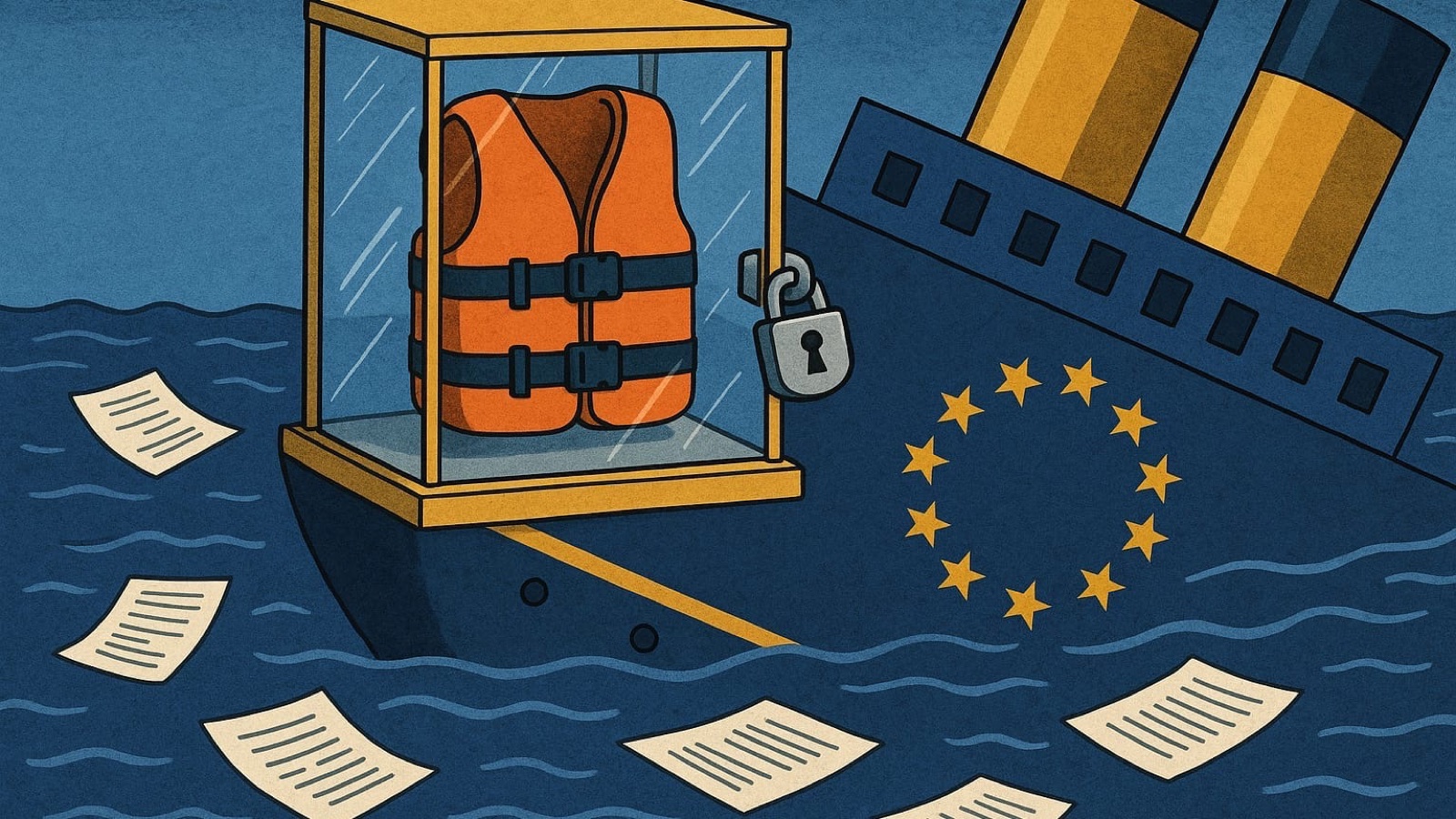
It’s like telling someone they have the right to a life jacket, but only if the boat captain agrees to give them one. The captain never agrees. The life jacket sits in a locked cabinet. But technically, the right exists, and some bureaucrat in Brussels gets to check a box.
I don’t live in the EU, so this doesn’t directly affect me. But I find it fascinating as a case study in regulatory theater — the art of creating laws that look protective on paper while being completely toothless in practice.
This pattern repeats itself across EU tech regulation. GDPR cookie consent is the poster child. The EU mandated that websites must get your explicit consent before tracking you with cookies. Noble idea. The result? Every website on the planet now hits you with an annoying popup, and roughly everyone clicks “Accept All” because the alternative is navigating a maze of toggle switches designed by someone who clearly hates you.
The regulation technically exists. Websites technically comply. And your data gets harvested at exactly the same rate as before, just with an extra click.
The withdrawal right follows the same playbook. The regulation technically exists. Companies technically inform you. And you waive it at exactly the same rate as if the right never existed — which is one hundred percent of the time.
Here’s what kills me. If ninety-nine percent of companies include a withdrawal waiver as standard practice in their terms of service, then the right doesn’t exist. Full stop. It’s not a right. It’s a paragraph in a legal document that no one reads. The EU knows this. The companies know this. We all know this.
A right that can be waived as a precondition of the exact thing it’s supposed to protect you from isn’t a right. It’s a decoration. It’s regulatory window dressing designed to make legislators feel accomplished while changing absolutely nothing about the consumer experience.
If the EU actually wanted this right to matter, they’d make it non-waivable. They’d say: “You get fourteen days. Period. The company cannot ask you to give this up. If they try, the clause is void.” That would be a real consumer protection. That would have teeth.
But that would also inconvenience corporations, and that’s apparently where the courage stops.
So the next time you see “right of withdrawal” in an email from a tech company, know that you’re looking at a museum piece. A fossilized remnant of good intentions that were dead on arrival. A right that was designed, from day one, to never actually be exercised.
The EU created a protection. Then they let the fox guard the henhouse. And now they get to put “consumer protection” in their annual reports while nothing changes for anyone, anywhere, ever.
Happy coding, indeed.
First published February 6, 2026 on 42 Insights.
Get new posts by email
One email when something new goes up. Nothing else, ever.
You will get a confirmation email first, and every post has an unsubscribe link. Prefer a reader? Use the RSS feed.