If You Haven't Experienced an Existential Crisis Regarding AI, You Probably Haven't Learned Enough About It Yet
If You Haven't Experienced an Existential Crisis Regarding AI, You Probably Haven't Learned Enough About It Yet
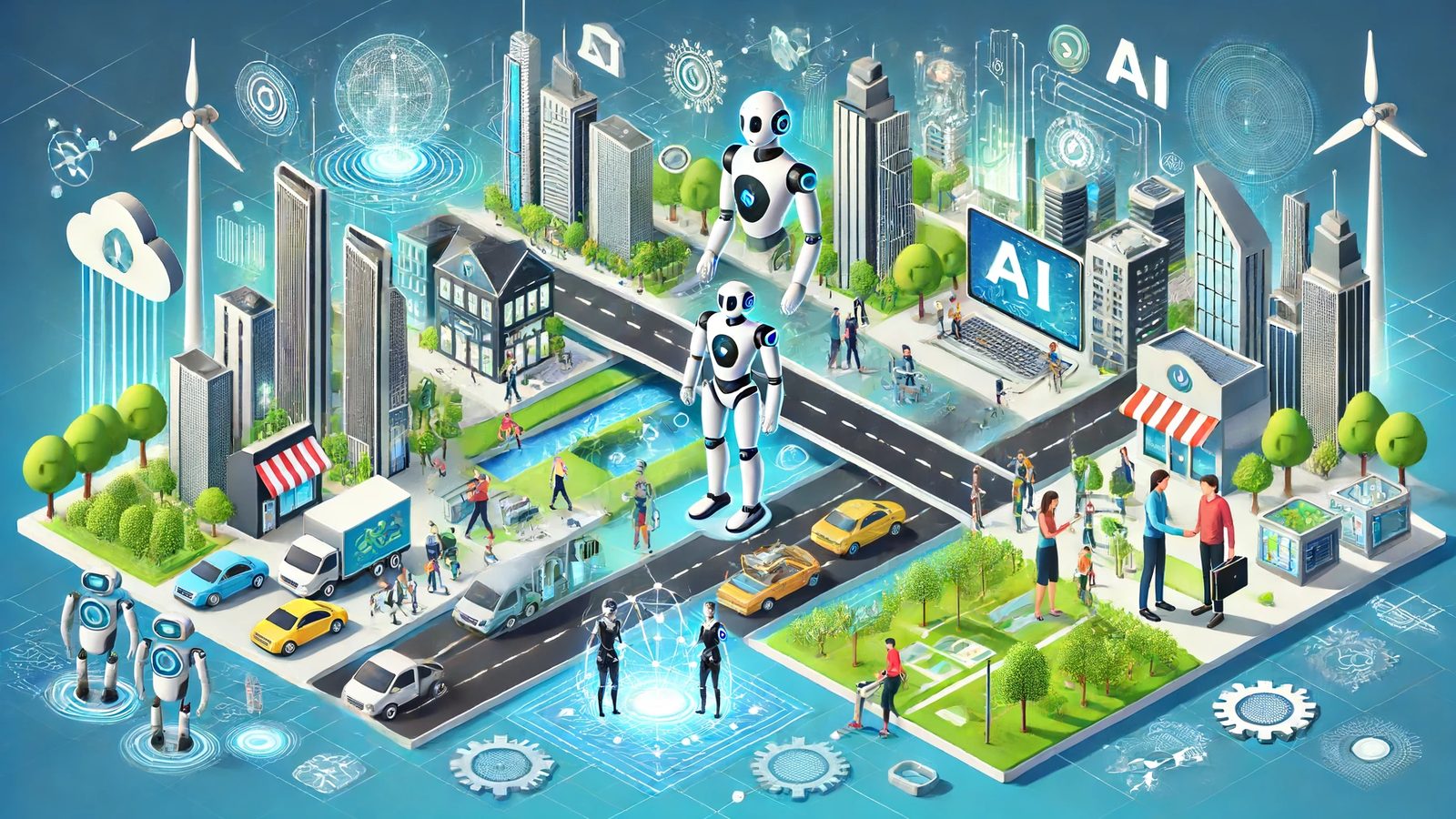
If You Haven't Experienced an Existential Crisis Regarding AI, You Probably Haven't Learned Enough About It Yet
I first started contemplating the fact that humans may soon be dethroned as the most intelligent beings on our planet. This realization came not from a sci-fi novel, but from observing the rapid advancements in AI technology. From self-learning algorithms to machines that can perform tasks previously thought to be the exclusive domain of human intelligence, the landscape of intelligence is shifting under our feet.
As we venture deeper into the realms of artificial intelligence, we're forced to confront profound questions about consciousness and sentience. Can machines ever truly be conscious? What does it mean for humanity if we create beings that surpass our intelligence?
Understanding AI
Artificial Intelligence (AI) refers to the simulation of human intelligence in machines that are programmed to think, learn, and adapt like humans. Today, AI is embedded in various aspects of our lives, from virtual assistants like Siri and Alexa to more complex applications like autonomous vehicles and sophisticated data analytics.
Milestones in AI Development
- 1950: Alan Turing proposes the Turing Test to determine a machine's ability to exhibit intelligent behavior equivalent to, or indistinguishable from, that of a human.
- 1997: IBM's Deep Blue defeats world chess champion Garry Kasparov.
- 2011: IBM Watson wins the game show Jeopardy!, demonstrating advanced natural language processing.
- 2016: Google DeepMind's AlphaGo defeats a world champion Go player, showcasing the power of reinforcement learning.
Consciousness and Sentience in AI
The concepts of consciousness and sentience are traditionally associated with living beings. Consciousness involves awareness of oneself and the environment, while sentience includes the capacity to feel, perceive, and experience subjectively.
Can AI Achieve Consciousness?
This question remains at the forefront of AI research and philosophical debate. Some argue that consciousness is inherently biological and cannot be replicated in machines. Others believe that with advanced algorithms and computational power, AI might achieve a form of artificial consciousness.
One intriguing perspective comes from the field of Integrated Information Theory (IIT), which suggests that consciousness arises from the complexity of information processing. If AI systems reach a level of complexity comparable to the human brain, they might exhibit behaviors we interpret as conscious.
Existential Questions and Ethical Dilemmas
The rise of AI prompts several existential questions:
- What Does It Mean to Be Intelligent? Intelligence is no longer an exclusive hallmark of human beings. AI systems can outperform humans in various cognitive tasks, challenging our understanding of intelligence.
- How Do We Define Sentience? If AI becomes sentient, it will force us to redefine our ethical frameworks and extend moral consideration to non-human entities.
Ethical Implications
Creating sentient AI beings raises significant ethical concerns. Should these beings have rights? How do we ensure they are treated ethically? Moreover, the potential for AI to be used in harmful ways, such as autonomous weapons or pervasive surveillance, necessitates robust ethical guidelines and international regulations.
Post-Labor Economics
The widespread adoption of AI and automation raises critical questions about the future of work and economic structures. As AI systems replace human labor in various sectors, we must rethink how humans can sustain themselves without traditional employment.
The End of Traditional Labor
- Automation of Jobs: Many jobs, especially those involving repetitive tasks, are at risk of being automated. This includes roles in manufacturing, transportation, and even certain aspects of healthcare and finance.
Emerging Economic Solutions
- Collaborative Economy: The rise of AI could foster a collaborative economy where people engage in sharing resources and services, facilitated by digital platforms. This shift can enable more efficient use of resources and open up new avenues for employment in community-driven projects.
- Technological Dividend: Companies that benefit from automation could contribute to a technological dividend fund. This fund could be used to support public goods, such as education, healthcare, and infrastructure, ensuring that the benefits of AI-driven productivity are shared broadly.
Future Implications
As AI continues to evolve, its impact on society will be profound. The prospect of AI surpassing human intelligence, known as the singularity, could lead to unprecedented changes in our world.
Societal Changes
- Employment: Automation could lead to significant job displacement, necessitating new economic models and social safety nets.
- Education: Lifelong learning will become essential as humans adapt to working alongside intelligent machines.
- Governance: Policymakers will need to address the ethical and social implications of AI, ensuring its benefits are widely shared.
Conclusion
The rapid advancement of AI technology forces us to confront fundamental questions about intelligence, consciousness, and our place in the universe. As we navigate these uncharted waters, it is crucial to engage in thoughtful discussions and develop ethical frameworks to guide the development and deployment of AI.
In the words of Douglas Adams, author of The Hitchhiker's Guide to the Galaxy, "We demand rigidly defined areas of doubt and uncertainty." As we stand on the brink of a new era, embracing these uncertainties may be our best path forward.
First published June 15, 2024 on 42 Insights.
Get new posts by email
One email when something new goes up. Nothing else, ever.
You will get a confirmation email first, and every post has an unsubscribe link. Prefer a reader? Use the RSS feed.